




What Is Gohare Limestone?
Gohare Limestone is an Iranian limestone used as a building material and is one of the most widely traded limestone varieties from Iran. Buyers choose it for its plain, even surface and for the fact that it can be supplied in every commercial form a project needs — block, slab, cut to size and free-length tiles. The same stone is also written Gohara Limestone, and some international buyers know it as Gohara Marble; it is a limestone, and the marble name is a trade habit rather than a geological description.
Like other limestones, Gohare is a sedimentary stone with a high calcareous structure. That gives it a soft, uniform look, and it also means it absorbs more water compared to marble or travertine. Understanding that trade-off is the key to specifying it well, and the sections below set out where it performs and where another material may suit you better.
Jura Limestone vs. Gohare Limestone
Here, we compare one of the most famous limestones in Europe with one of the most well-known and widely traded limestones from Iran.
Jura Limestone is quarried in the Upper Bavaria region of southern Germany. Although some people describe it as marble, Jura is technically a limestone. It is a hard limestone, but it is still classified as limestone. Nevertheless, it is sometimes commonly referred to as marble. Jura is probably the most well-known German natural stone, with considerable demand in Europe and several other parts of the world. Two main types of Jura Limestone are commonly available on the market: beige and grey.
Gohare Limestone, in comparison, offers some unique characteristics. Although it is a limestone, its surface can be polished, which is not typical of most limestone varieties. Due to their inherent structure, limestone surfaces are generally kept honed rather than polished, but Gohare is an exception.
Limestone generally has higher water absorption than some other natural stones, although the absorption rate varies considerably among different limestone varieties. Gohare is particularly valued for its relatively low water absorption for a limestone, which is one of the reasons for its popularity and demand.
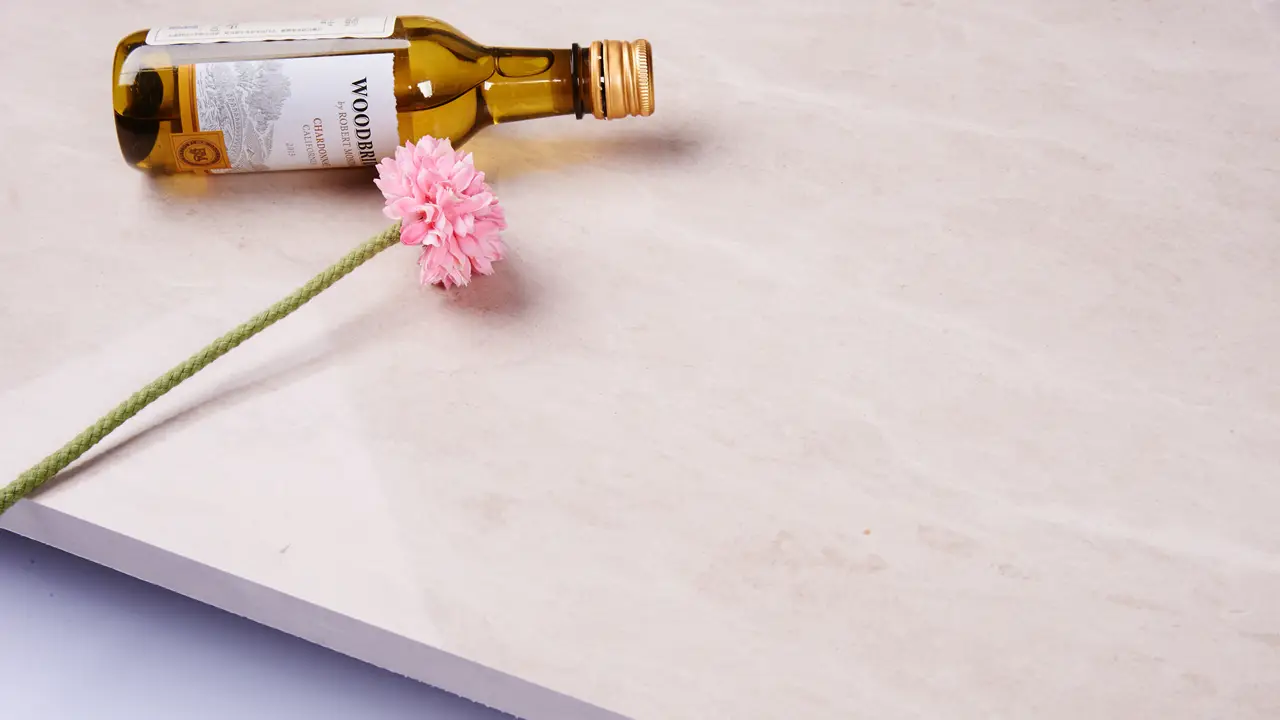
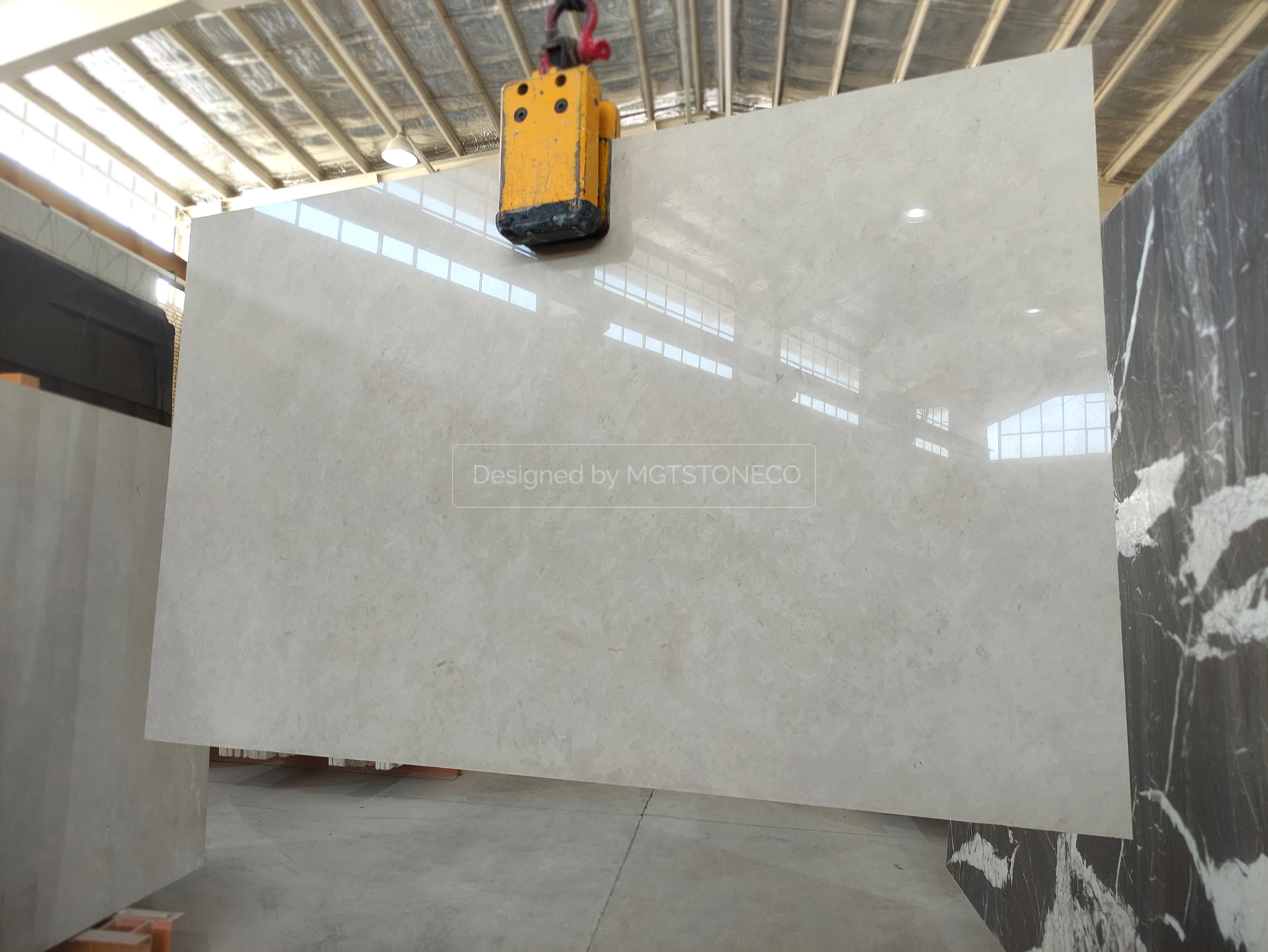
In terms of appearance, Gohare Limestone typically features a light beige background with darker beige, flower-like spots. The density of these spots can vary, with fewer spots creating a more uniform and plain appearance. Commercial quality is set mainly by how much of this dark marking the material carries: cleaner, less marked material is selected as the higher grade and is priced accordingly.
Ultimately, the popularity of a limestone often comes down to the unique characteristics it offers. Jura and Gohare are both good examples of how distinctive technical and aesthetic properties can make a particular limestone highly valued in the market.
Available Commercial Forms
MGT Stone Co supplies this stone in the following formats. Across our limestone range tile is the strongest-selling format, and Gohare is also produced as block and slab:
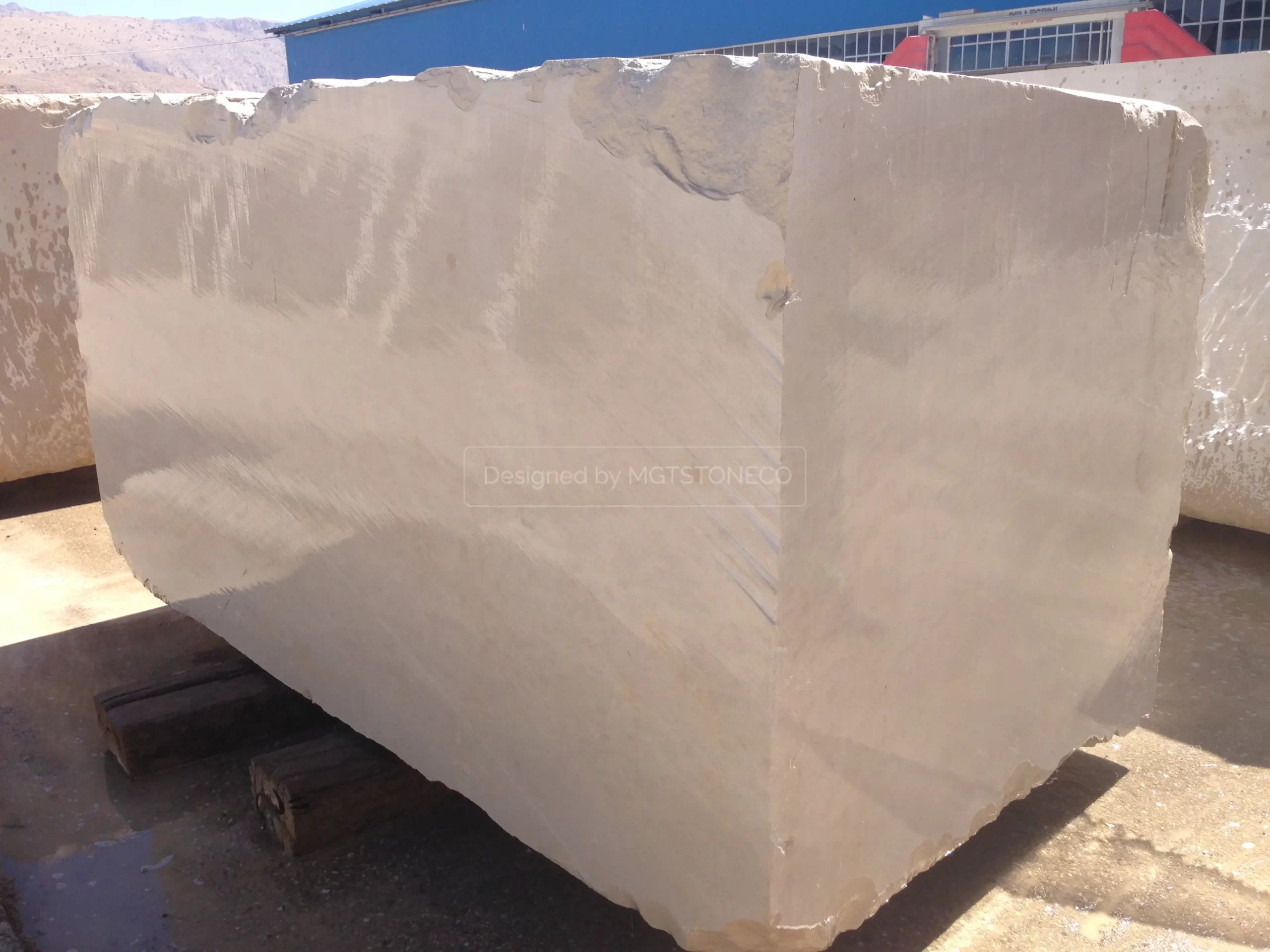
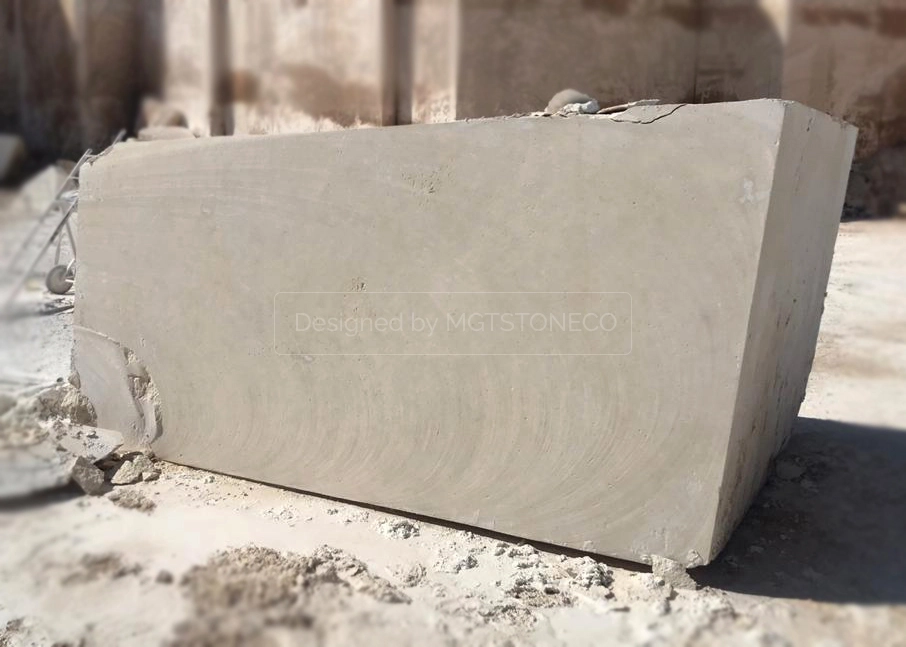
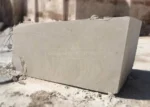
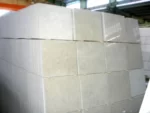
Gohare Limestone Block
Gohare limestone blocks are among the blocks MGT Stone Co. supplies. Blocks are prepared as clean rectangular shapes, which keeps waste low when the block is later sawn in a stone factory.
- Maximum standard block size: 200 cm width × 300 cm length × 200 cm height
- Custom sizes: blocks can be cut to a client’s specified dimensions
- Typical block destinations: Russia, CIS countries and Iraq
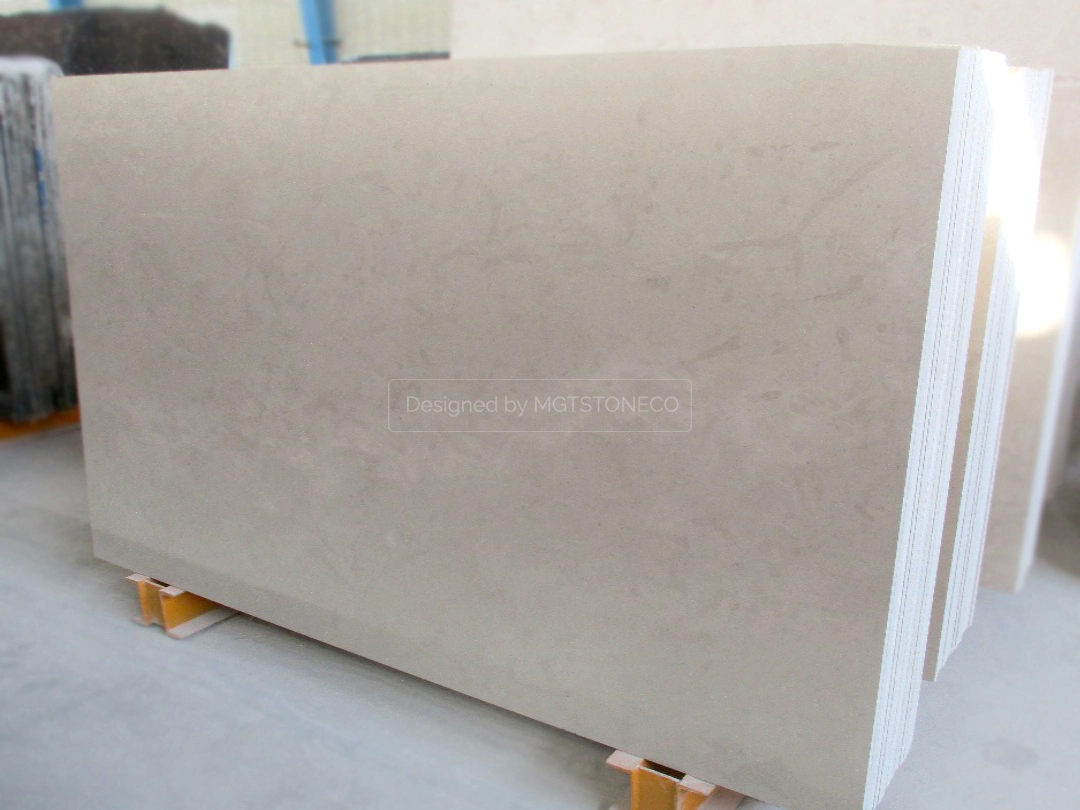
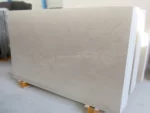
Gohare Limestone Slab
Gohare limestone slabs are available for customers who prefer to apply large pieces in their projects, or who order slabs to cut into customized sizes on site.
Gohare slabs are generally free of the holes and cracks that force other stones to be resined and laced, so the slab can be produced without added reinforcing material. Slabs can also be produced in large dimensions, and limestone slabs hold up well in cold conditions — they remain workable in regions that drop below −25 °C and in areas with acidic rainfalls.
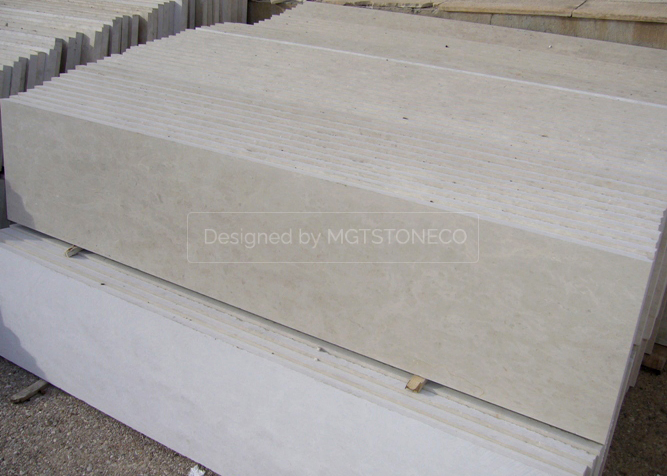
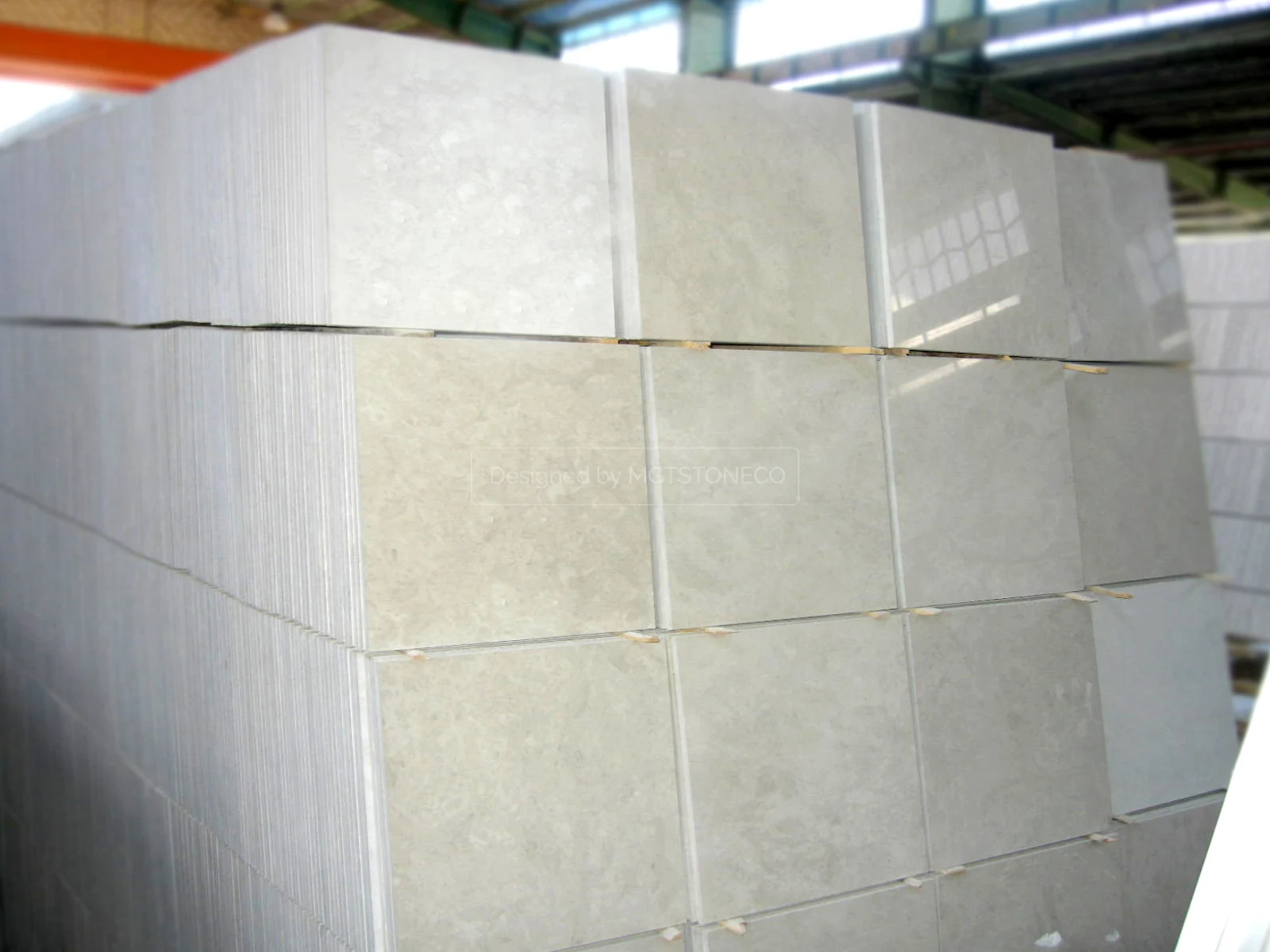
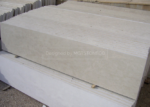
Gohare Limestone Tile
Gohare is supplied in standard-size tiles, customized ones, and free-length tiles where you would rather cut to your own setting-out on site. Free-length tiles are longitudinal tiles, normally supplied in widths of about 40 to 60 cm. Free length is usually the more economical route when a project has long runs of cladding or flooring and you want to minimize offcuts.
Surface Finishes
While limestone contains clay minerals, which means it does not take a high polish the way a dense marble does, Gohare Limestone can still be polished. This material is normally finished in ways that suit its structure:
- Polished: Shiny and reflective, giving the stone texture a more defined appearance.
- Honed — a smooth matt surface, the most common choice for interior floors and walls
- Bush-hammered — a textured surface used where slip resistance matters
- Leathered — a soft textured finish that keeps the colour deeper than honing does
If a high-gloss surface is essential to your design, tell our team at enquiry stage — Gohare can be supplied polished, and we will confirm the finish against your specification.
Where Gohare Limestone Works Best
Gohare suits large-scale commercial work where a consistent, quiet stone is needed at a workable cost. It performs best in interior areas that stay away from standing moisture — stair walls, lobby and corridor cladding, parking structures and similar back-of-house and circulation areas.
Two honest limitations are worth stating. Limestone tile has lower resistance than marble and most travertine, so it is not the right choice for heavy-traffic floors. And because limestone absorbs more water than marble or travertine, MGT recommends applying a suitable protective treatment to reduce absorption significantly wherever the stone will meet moisture.
What to Check Before You Order
- Selection: Confirm how much of the dark flower-like marking your specification allows — cleaner material is the higher grade — and finalize it before production starts.
- Format: block, cut-to-size slab, tile or free length — this drives both cost and lead time
- Finish: polished, honed, bush-hammered or leathered
- Exposure: if the stone will meet moisture, plan the protective treatment into the specification
- Continuity: for large areas, order the full quantity from one production run so the tone stays consistent
Processing, Selection and Export Support
MGT Stone Co., with its extensive experience in block selection and processing finished materials at its stone factory, handles blocks, slabs, and tiles within one supply chain rather than sourcing them from unrelated suppliers. For export orders, that means the sort, the finish and the tone can be checked against your specification before the material is packed.
As a direct limestone slab supplier we handle limestone slabs supply from block selection through to packing, which keeps one point of responsibility across the order. Send us the format, finish, quantity and destination market you need. Our export team will confirm what is available and how it can be supplied.
Request a Quotation for Gohare Limestone
Tell us your required format, finish, sizes, quantity and destination port, and our export team will come back with a quotation.
You can also reach the export team directly by email at Info@mgtstoneco.com.
Why Buyers Work With MGT Stone Co
- Reliable block supply — established access and influence within the Gohare supply chain, with finishing in our own stone factory
- Full format range — block, slab, tile and free length from a single supplier
- Custom block cutting — blocks prepared to a client’s specified dimensions
- Established export routes — Gohare regularly shipped to Russia, CIS countries and Iraq, and supplied to buyers worldwide
- Straight answers — we will tell you when another material suits your application better
Frequently Asked Questions
Is it spelled Gohare Limestone or Gohara Limestone?
Both spellings refer to the same Iranian stone, and you will also see Gohar Limestone and Gohare Stone in the market. MGT Stone Co uses Gohare Limestone as the product name. If your supplier has quoted Gohara Limestone, it is the same material — confirm the sort and finish rather than the spelling.
Is Gohare Limestone a marble?
No. Gohare is a limestone. It is often sold internationally as “Gohara Marble” because buyers associate the look with marble, but the stone is sedimentary limestone and it should be specified, finished and maintained as limestone.
What sizes are Gohare limestone blocks available in?
The maximum standard block size is 200 cm wide × 300 cm long × 200 cm high. Blocks can also be cut to a client’s own dimensions, which keeps waste low during processing.
Which finishes are available for Gohare Limestone?
Honed, polished, bush-hammered and leathered are the usual finishes. Most limestones are kept honed because their clay minerals limit polish, but Gohare is an exception and can be supplied polished.
Can Gohare Limestone be used outdoors?
Limestone absorbs more water than marble or travertine, so external and wet areas need a suitable protective treatment. Limestone slabs handle cold well and stay workable below −25 °C, but for heavy-traffic external paving a denser stone is usually the better specification. Ask our team about your specific exposure.
In which formats can MGT supply Gohare Limestone?
Blocks, slabs, tiles and free-length tiles, in all standard sizes and in custom dimensions. Free length is often the more economical option for long runs of cladding or flooring.
Where does Gohare Limestone come from?
It is an Iranian limestone — buyers searching for Gohare limestone Iran are looking at this material. MGT Stone Co does not publish a specific quarry location for it. If origin documentation is a requirement for your project, ask our export team to confirm the source of the material being quoted before you order.
Related Limestone Products
Gohare is a beige limestone in our limestone range. You can also compare it with Pearl White Limestone if your project calls for a bright white tone, or with Moca Cream Limestone for a warmer cream shade.