


Table of Contents
In the natural stone industry, marble holds a leading position as one of the most demanded materials for large-scale projects and wholesale trade. Its unique patterns, wide range of colors, and ability to be processed into slabs, tiles, and custom pieces make it a top choice for project owners, architects, contractors, and manufacturers worldwide. From sourcing directly from quarries to mass production in factories, marble plays a vital role in construction, interior design, and architectural development.
This guide provides a complete overview of marble stone—covering its origins, quarrying, product formats, surface finishes, and comparisons with other stones—helping buyers and industry professionals make informed decisions for bulk orders and project requirements.
Marble Stone
What type of rock is it?
Marble is a natural stone that forms when limestone is transformed by heat and pressure over time. It’s made up mainly of calcite or dolomite minerals, giving it a beautiful crystalline texture. Unlike many rocks, marble usually doesn’t have layers, though sometimes exceptions appear.
From a design perspective, marble is truly special. It comes in a wide range of colors and patterns—offering more variety than almost any other natural stone. That’s why it’s a favorite choice for both classic and modern projects.
Marble Selling Formats by Natural Stone Wholesalers
Marble is supplied in different formats—blocks, slabs, and tiles—to suit the needs of large projects and manufacturers. Let’s explore more about these formats below.
Marble Block
A marble block is the raw form of natural stone that comes directly from the quarry. It is cut into large, rectangular shapes so it can be transported to the stone factory for further processing.
On average, a big size marble block measures about 200 cm wide, 300 cm high, and 200 cm long, and usually weighs 24–27 tons. Thanks to its large size and solid structure, one block can be used to produce high-quality marble slabs (about 200 x 300 cm) or be exported to customers worldwide.
At MGT Stone Co., our stockyard is always filled with premium-quality marble blocks, ready to be supplied to our valued clients.
Marble Slab
Marble slabs are known for their natural beauty, offering a wide range of colors and unique patterns. When polished, marble slabs stand out with a shine that makes them instantly recognizable compared to other stones.
At MGT Stone Co., we produce and supply marble slabs in many colors and designs, using advanced facilities to match our customers’ needs. Our warehouse is stocked with premium-quality slabs, always ready for shipping and worldwide delivery.
Marble Tile
Marble stones are generally divided into two categories based on size: slabs and tiles. Most of the demand, however, is for marble tiles. In fact, almost all marble slabs are eventually cut into tiles at the factory or even at the project site, depending on the construction needs.
Marble tiles usually come in two shapes:
- Square tiles – commonly used for flooring.
- Rectangular tiles – often used for walls and facades.
Standard Marble Tile Sizes
Square
- 30 × 30 cm
- 40 × 40 cm
- 60 × 60 cm
- 80 × 80 cm
- 100 × 100 cm
Rectangle
- 30 × 60 cm
- 40 × 60 cm
- 40 × 80 cm
- 60 × 120 cm
At MGT Stone Co., we offer a wide collection of marble tiles in different sizes and finishes, ready to meet your project requirements.
Marble Quarry
Iran is one of the world’s leading countries in natural stone resources, with billions of tons of decorative and building stone reserves. The country is especially famous for the variety of its stones, ranking among the top nations in both diversity and total reserves. Marble is one of the most important stones quarried in Iran, making up a large share of its production and exports.
Iranian marble is renowned worldwide for its broad range of colors, distinctive veining, and high quality. This natural diversity makes it a trusted choice for architects, project owners, and builders in both residential and commercial construction projects across the globe.
World-Famous Marble Origins
Marble Stone from different regions carries its own unique qualities shaped by nature and history. Among the most renowned are Greek, Persian, and Italian marbles, each valued worldwide for their beauty and quality.
Below, we take a closer look at what makes each of these marble types unique.
Greek Marble
Greek marble has been admired since ancient times for its purity and timeless beauty. Known for its bright white color and fine texture, it was widely used in temples, sculptures, and historical landmarks. Today, Greece continues to be a leading source of white marble, with famous quarries such as those in Drama, Kavala, and Thassos Island. These quarries produce some of the most well-known varieties, including Thassos White, Volakas, and Kavala White, making Greek marble highly sought after for flooring, cladding, and decorative projects around the world.
Iranian Marble
Iranian marble is globally recognized for its variety of colors, unique veining, and excellent quality. Iran has one of the largest reserves of natural stone, with marble making up more than half of its stone resources. Major marble quarries are scattered across the country, producing exclusive stones such as Black Marble, White Marble, and Cream Marble. These quarries allow for consistent large-scale supply, making Iranian marble a top choice for luxury projects, facades, and exports to international markets.
At MGT Stone Co., developing marble quarries has been a core strategy for the past two decades. Today, we proudly own and operate several exclusive marble quarries, including:
These quarries allow us to ensure consistent supply, premium quality, and competitive pricing for our clients worldwide.
Italian Marble
Italian marble is synonymous with luxury and high-end design. Its reputation comes from world-famous varieties like Carrara, Calacatta, and Statuario, each known for their dramatic veining and refined finish. The renowned Carrara quarries in Tuscany have been active since Roman times and remain a primary source of Italy’s premium marble. These quarries are still producing marble that is used for countertops, flooring, sculptures, and feature walls in some of the most prestigious projects worldwide, maintaining Italy’s legacy as a leader in natural stone.
Marble Products
We are always working to improve and expand our marble collection through research and development (R&D). Before adding a new product, we carefully check its supply availability, production quality, and durability. Only stones that pass our strict standards for color, pattern, size, and overall quality are added to the Marble Gallery. Stones with defects or technical problems are never included.
Our worldwide clients often ask:
- Which stones are unique to Iran?
- What is the best option for their project?
- Which color combinations work best together?
The answer is in our Marble Gallery, where we showcase Iran’s finest and most diverse marble products.
Variety of Marble Products
Marble is highly versatile and can be used in many ways beyond slabs and tiles. At MGT Stone Co., different types of marbles can be transformed into waterjet designs, bathtubs, countertops, statues, and many other customized stone materials. This diversity allows marble to bring both beauty and functionality to a wide range of architectural and decorative applications.
Practical Applications of Marble Products
Marble is a versatile natural stone, admired for its strength, durability, and beauty. From floors and countertops to fireplaces and decorative features, it suits both residential and commercial projects. With its wide range of colors and unique patterns, marble continues to be a top choice in design worldwide. Read more below to explore its applications in detail.
Marble Countertops
Dreaming of a marble kitchen? Marble countertops have become one of the biggest design trends in the last decade, bringing both beauty and functionality to modern homes. With their unique veining, natural shine, and cool surface, marble countertops create a timeless centerpiece in any kitchen design.
Marble Floor
A marble floor adds luxury and value to any space. Known for its durability and stunning patterns, marble flooring is widely used in both residential and commercial projects. Its natural variations in color and texture make every floor unique, while polished finishes brighten interiors and create an upscale atmosphere.
Marble Backsplash
A marble backsplash is a stylish way to enhance kitchens and bathrooms. The natural veining and variety of marble colors allow designers to create either subtle elegance or bold statements. Beyond beauty, marble backsplashes are practical, protecting walls from splashes while making the space easy to clean and maintain.
Marble Fireplace
Installing a marble fireplace instantly transforms a living room into a luxurious focal point. With its heat resistance and wide range of designs, marble is an ideal choice for both modern and classic fireplace styles. Each marble slab adds a unique character, turning the fireplace into a statement piece of the home.
Marble Bathroom
A marble bathroom is the ultimate symbol of comfort and refinement. From floors and walls to bathtubs and shower surrounds, marble brings a spa-like atmosphere into daily life. Its natural beauty, combined with durability, makes marble a popular choice for creating relaxing yet stylish bathroom spaces.
Marble Vanity
A marble vanity combines elegance with practicality in bathrooms. The smooth, polished surface not only looks stunning but is also durable for everyday use. With various colors and veining patterns available, marble vanity top can be customized to suit both contemporary and traditional designs, making them a favorite in luxury homes.
Marble Statue
A marble statue is a timeless piece of art, crafted from natural stone that has been admired for thousands of years. Marble’s smooth texture, durability, and ability to capture fine details made it the preferred material for stone sculptors in ancient Greece and Rome. Iconic works such as Michelangelo’s David and the Venus de Milo are prime examples of how marble statues have stood the test of time, symbolizing beauty, culture, and craftsmanship. Today, marble statues are created in both classical and modern styles, serving as decorative elements for homes, gardens, and public spaces, while carrying the same sense of artistry that has inspired civilizations for centuries.
Marble Surface Finishes
Marble can be finished in different ways depending on the customer’s taste and project requirements. Each finish gives the stone a unique look and feel. The most common marble surface finishes are:
Polished Marble
This is the most popular marble finish. It gives the surface a glossy, mirror-like shine that reflects light beautifully, making spaces look brighter and more luxurious. Polished marble is produced using special polishing machines designed to achieve this glassy effect.
Honed Marble
Honed marble is chosen by those who prefer a softer, more natural look. Instead of a shiny surface, it has a smooth, matte finish that brings out the stone’s true color and creates a warm, earthy feel. It’s perfect for projects where a natural connection to the marble stone is desired.
Textured Marble
Textured finishes are one of the newest trends in the stone industry. In this style, patterns and textures are created on the marble surface, such as cotton, basket, wood, bubble, or even custom designs. This finish adds creativity and uniqueness to any project. (For more details, you can explore our textured stone collection here: [https://mgtstoneco.com/product-category/additional-products/textured-stone/])
Marble Texture
The texture of marble is smooth, compact, and fine-grained, allowing it to be polished to a high shine that highlights its natural veining and patterns. This dense structure makes marble an ideal choice for floors, countertops, walls, and decorative elements where both strength and beauty are desired.
Marble also comes in a wide variety of colors, from classic white and cream to bold shades of black, green, red, and gold marble, each offering its own unique character. Lighter tones such as white or beige are often used in modern, spacious interiors, while darker shades like black or deep brown marble bring a dramatic and luxurious touch to projects.
Compared to travertine, which has a more porous and earthy texture with natural holes that often need filling, marble offers a sleeker and more refined surface. On the other hand, onyx has a more delicate and translucent texture that creates dramatic visual effects but is softer and less durable than marble. This balance between color diversity, durability, and elegance makes marble one of the most practical and widely used natural stones in architecture and design.
Cultured Marble
Cultured marble, or more generally cultured stone, is a man-made product created by combining small, leftover pieces of natural stone with resin and pigments to form slabs or tiles. This process recycles stone waste into a usable product, making it both cost-effective and environmentally friendly. Cultured marble can be molded into various shapes and sizes, and it often imitates the look of natural marble while being more affordable. It is commonly used in bathroom vanities, countertops, sinks, shower walls, and tiles, offering durability, easy maintenance, and a wide range of colors and finishes.
However, while cultured marble is practical, it cannot match the authentic beauty, uniqueness, and long-lasting value of natural marble stone. Each piece of natural marble carries its own distinctive veining and color patterns, making it one of a kind—something cultured marble cannot replicate. Moreover, natural marble is far more durable over time and adds higher value to architectural and design projects, making it the preferred choice for luxury spaces and long-term investments.
Marble Compared to Other Natural Stones
Marble is one of the most admired natural stones, but to truly understand its value, it helps to see how it compares with others. Each stone—whether granite, quartzite, onyx, or travertine—has its own strengths and applications. By looking at these differences, we can better highlight what makes marble unique and why it remains a top choice in architecture and design.
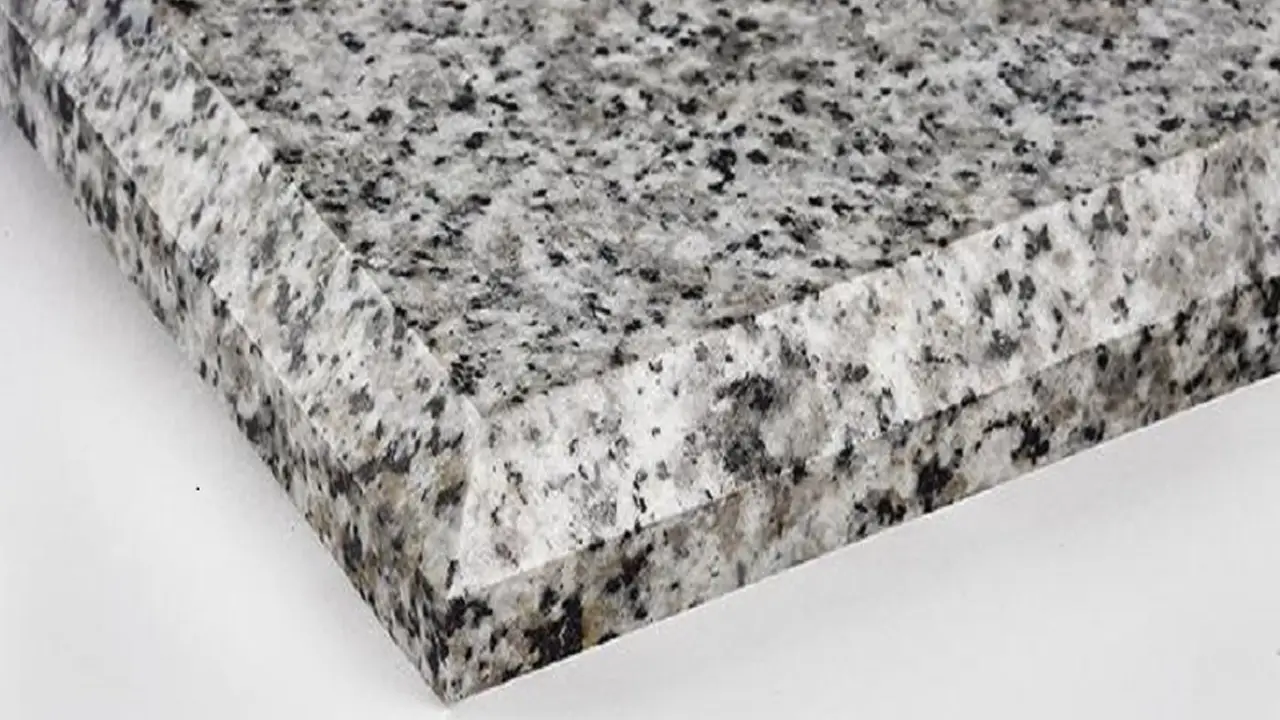
Marble vs Granite
Marble and granite are both popular natural stones, but they differ in appearance and performance. Marble is known for its smooth texture, elegant veining, and classic beauty, often used in luxury interiors. Granite, on the other hand, has a speckled appearance due to its crystalline structure and is generally harder and more resistant to scratches and heat. While granite is better suited for high-traffic and heavy-use areas, marble is often chosen for its timeless aesthetic and refined look in decorative applications.
Marble vs Quartzite
Marble and quartzite may look similar at first glance, but they are very different in composition and durability. Marble is softer, easier to shape, and has distinctive veining that adds artistic value, making it ideal for flooring, walls, and sculptures. Quartzite is much harder and more resistant to scratches, heat, and weathering, making it better for outdoor use and heavy-duty surfaces like countertops. While quartzite outperforms marble in strength, marble remains the preferred choice for projects where elegance and design are the priority.
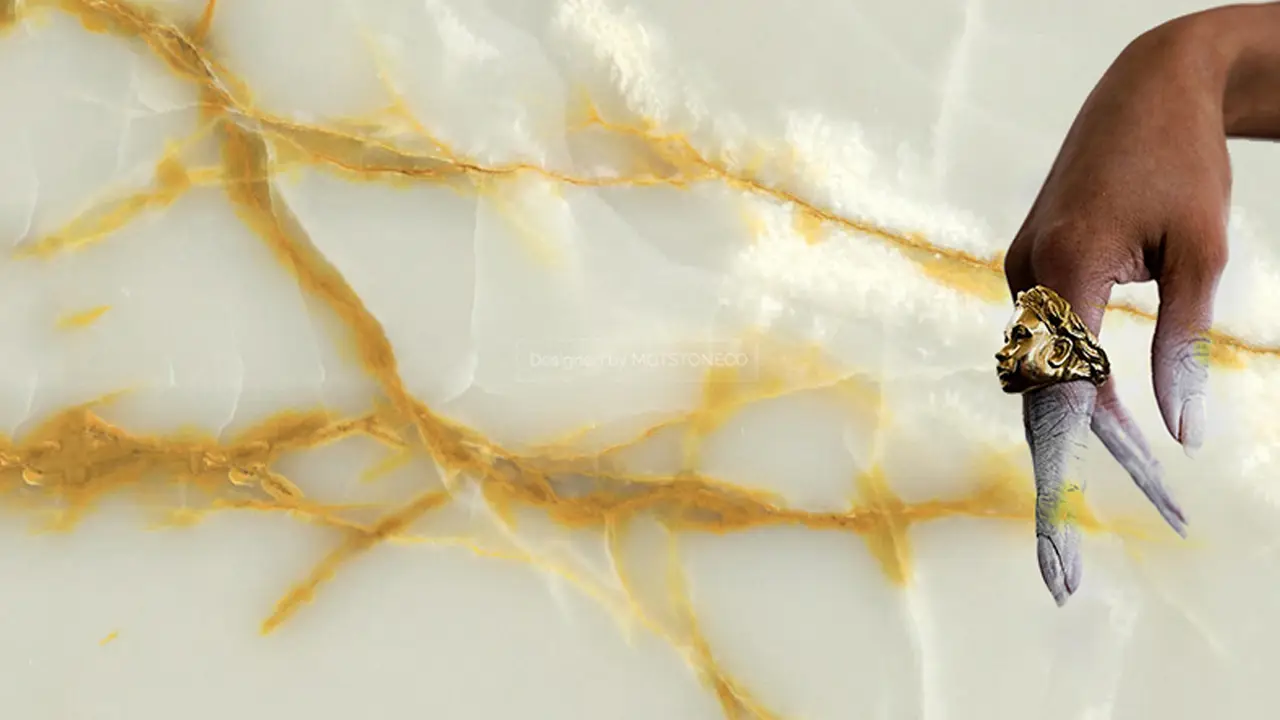
Marble vs Onyx
Marble and onyx both deliver stunning visuals, but they serve different purposes. Marble is durable, versatile, and suitable for a wide range of applications such as floors, countertops, and walls. Onyx, with its translucent quality and striking colors, creates dramatic effects when backlit, making it popular for feature walls, bars, and decorative panels. However, onyx is softer and more fragile than marble, requiring more care and maintenance. Marble offers a balance of beauty and practicality, while onyx is best reserved for statement pieces.
Marble vs Travertine
Marble and travertine share a natural connection since both are forms of limestone, but their textures and uses differ. Marble has a dense, smooth surface with distinctive veining that allows for a high polish, making it suitable for elegant interiors and luxury projects. Travertine has a more porous and earthy texture, often with natural holes that are filled before finishing, giving it a rustic and warm appeal. While marble is typically chosen for refined, high-end designs, travertine is popular for outdoor areas, courtyards, and projects that require a more natural and traditional look.
We’ve prepared a detailed blog on Marble vs. Travertine. Click the link to explore all the valuable information: https://mgtstoneco.com/marble-vs-travertine/
Top Iranian Marble Company
MGT Stone Co. is recognized as one of the most reputable marble companies in Iran and across international markets. Our strong position comes from two key strengths:
- Experience – With decades of expertise in export, quarrying, production, and customer service, MGT has built a trusted name in the natural stone industry.
- Facilities – By owning multiple quarries, factories, stockyards, and showrooms, we maintain full control over quality and supply, ensuring consistent reliability for clients worldwide.
As a wholesaler of natural stone, MGT specializes in supplying marble blocks, slabs, and tiles in bulk quantities for large projects, traders, and distributors. Our ability to combine direct quarry ownership with international export experience makes us a dependable partner for wholesalers and project owners across the globe.
How to Select a Trusted Marble Supplier?
Being a successful marble supplier requires a combination of experience, advanced facilities, and market knowledge—all of which define MGT Stone Company. With more than 20 years of continuous presence in global markets, we are proud to be considered one of the most reputable marble suppliers worldwide.
When it comes to bulk natural stone orders, choosing a trusted marble supplier is essential. Large projects require:
- Consistent quality – ensuring that every slab or tile matches in color, pattern, and finishing.
- Reliable supply – the ability to deliver large volumes on time without delays.
- Secure transactions – proper documentation, safe payment methods, and export compliance.
- Technical support – guidance on stone selection, cutting, and finishing for different applications.
Our approach is based on market research, customer needs, and continuous development. This allows us to supply a wide variety of marble in both high quality and large volumes, always aligned with international demand.
Marble Factory
After extraction, marble blocks are transported to the factory for processing. In the marble factory, two main products are produced: marble slabs and marble tiles.
Large marble blocks are first cut by a block cutter, then moved through the production line for further processing. Slabs are cut using gang saw machines and then polished or finished as required. Tiles are cut from the slabs into standard sizes for flooring, walls, and facades.
At MGT Stone Co., we own two marble factories in Iran, enabling us to provide mass production of high-quality slabs and tiles in a wide variety of stone types to meet the needs of our global clients.
Marble Gallery
At MGT Stone Co., marble products are one of our most important collections. To make selection easier for clients, we created the Marble Gallery, a space that brings together our most popular stones. In the beginning, the gallery featured highly demanded marbles such as Pietra Gray Marble, different Black Marbles, as well as a variety of White and Beige Marbles. Over time, the gallery has expanded and been organized so clients can find exactly the type of marble they need for their projects.
At MGT Stone Co., our mission is to provide project owners, traders, and distributors with reliable access to premium Iranian marble, backed by decades of expertise and full control over quarrying, production, and supply. Whether you are sourcing blocks, slabs, or tiles for large-scale construction or specialized design projects, we are ready to support you with consistency, quality, and professional service.
Contact us today to discuss your bulk marble requirements, or explore our related articles through the provided links to learn more about our products and capabilities:
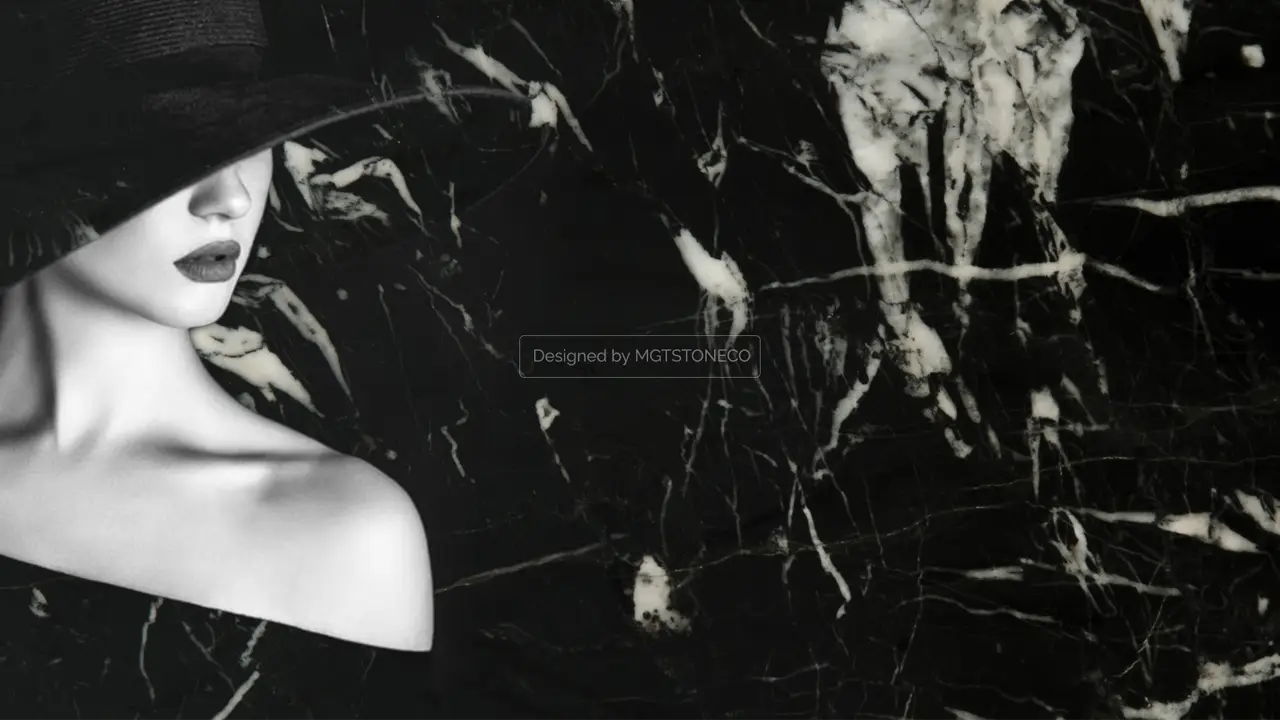
How Black Marble Stone Transforms Interiors and Exteriors
White Marble Complete Guide: The Epitome of Elegance and Durability
FAQ
Marble is a natural stone admired for its unique colors, patterns, and ability to take a high polish. It is widely used in slabs, tiles, countertops, floors, walls, and decorative pieces. For wholesale buyers, marble is one of the most in-demand stones due to its variety, durability, and timeless appeal.
Marble is formed naturally over millions of years as limestone transforms under intense heat and pressure. In the stone industry, marble is extracted from quarries in large blocks, which are then transported to factories. At the factory, the blocks are cut into slabs or tiles, polished, and finished according to market demand.
Marble polishing is done in the factory using special polishing lines and machinery. These machines gradually smooth the surface of the stone, bringing out its natural shine and reflective qualities. For wholesale buyers, polished marble is the most popular finish, though honed and textured finishes are also available depending on project needs.
Some of the most valuable marbles come from exclusive quarries in Iran, Italy, and Greece. At MGT Stone Co., our exclusive quarries produce premium marbles such as Royal Black Marble, Persian Carrara, and Cloud White Marble. These stones are prized for their unique colors, patterns, and consistent quality, making them highly attractive for bulk orders and large-scale projects.
The price of marble depends on rarity, quarry location, and unique patterns. Globally, marbles such as Italian Calacatta, Statuario, and Carrara are among the most expensive due to their iconic veining and limited quarry reserves. From Iran, exclusive stones like different verities of White Marble are highly valuable in international markets because of their distinct look and high durability.